Renewable Methanol – Vulcanol®
Renewable methanol produced using CRI’s technology
Vulcanol® is renewable methanol produced using CRI’s Emissions-to-Liquids® (ETL) technology. The fuel is created by combining captured carbon dioxide with renewable hydrogen, producing methanol that is chemically identical to conventional fossil-based methanol.
From 2012 to 2020, CRI produced and sold Vulcanol® from its plant in Iceland, demonstrating the commercial production of renewable methanol at industrial scale.
Production of Vulcanol® concluded in 2020, and CRI no longer sells the product. Today, CRI focuses on licensing its ETL technology and supporting partners developing methanol plants globally.
Demonstrating commercial renewable methanol production
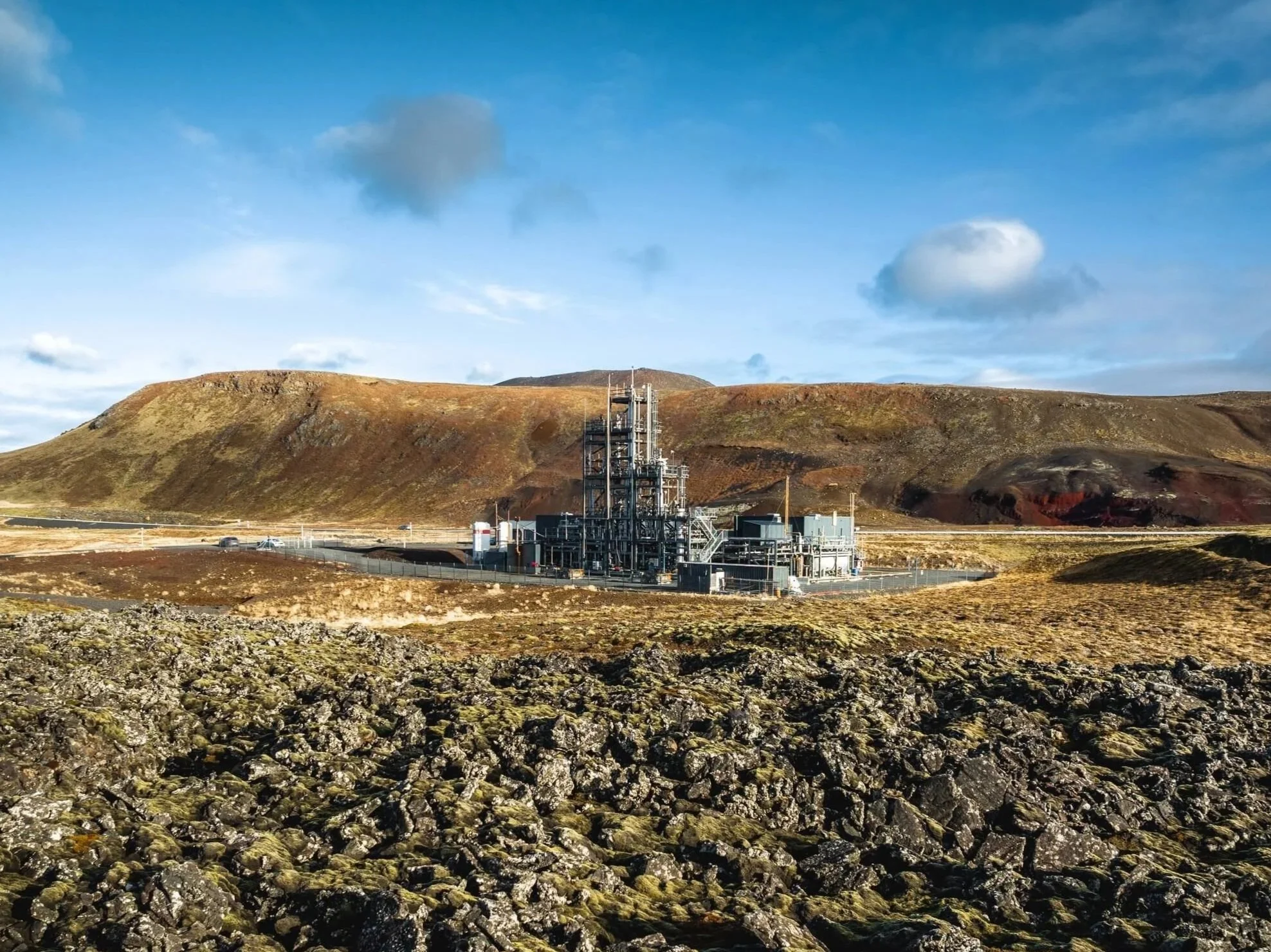
The production of Vulcanol® at the George Olah plant in Iceland was the world’s first commercial demonstration of renewable methanol produced from captured CO₂ and renewable hydrogen.
The fuel achieved lifecycle carbon emission reductions of 85–90% compared to fossil fuels, with production certified under the ISCC Plus sustainability standard.
This project demonstrated the viability of producing renewable methanol from recycled carbon and renewable energy sources.

CRI Plant Project and Service Portfolio
-
![George Olah (GO PLANT) Iceland, Reykjanes Peninsula, Svartsengi.]()
George Olah
The world’s first commercial plant producing renewable methanol from captured CO₂ and renewable hydrogen.
CRI’s Services
Feedstock appraisal and conceptual engineering.
Proprietary technology, development and testing.
Project management, own and operated, first certified e-methanol.
Operation, maintenance and sales of e-methanol. -
![]()
MefCO2
Industrial demonstration converting captured CO₂ from steel production into methanol.
CRI’s Scope -
![FResME]()
FresME
EU demonstration project exploring the production of renewable methanol for maritime transport.
CRI’s Scope -
![]()
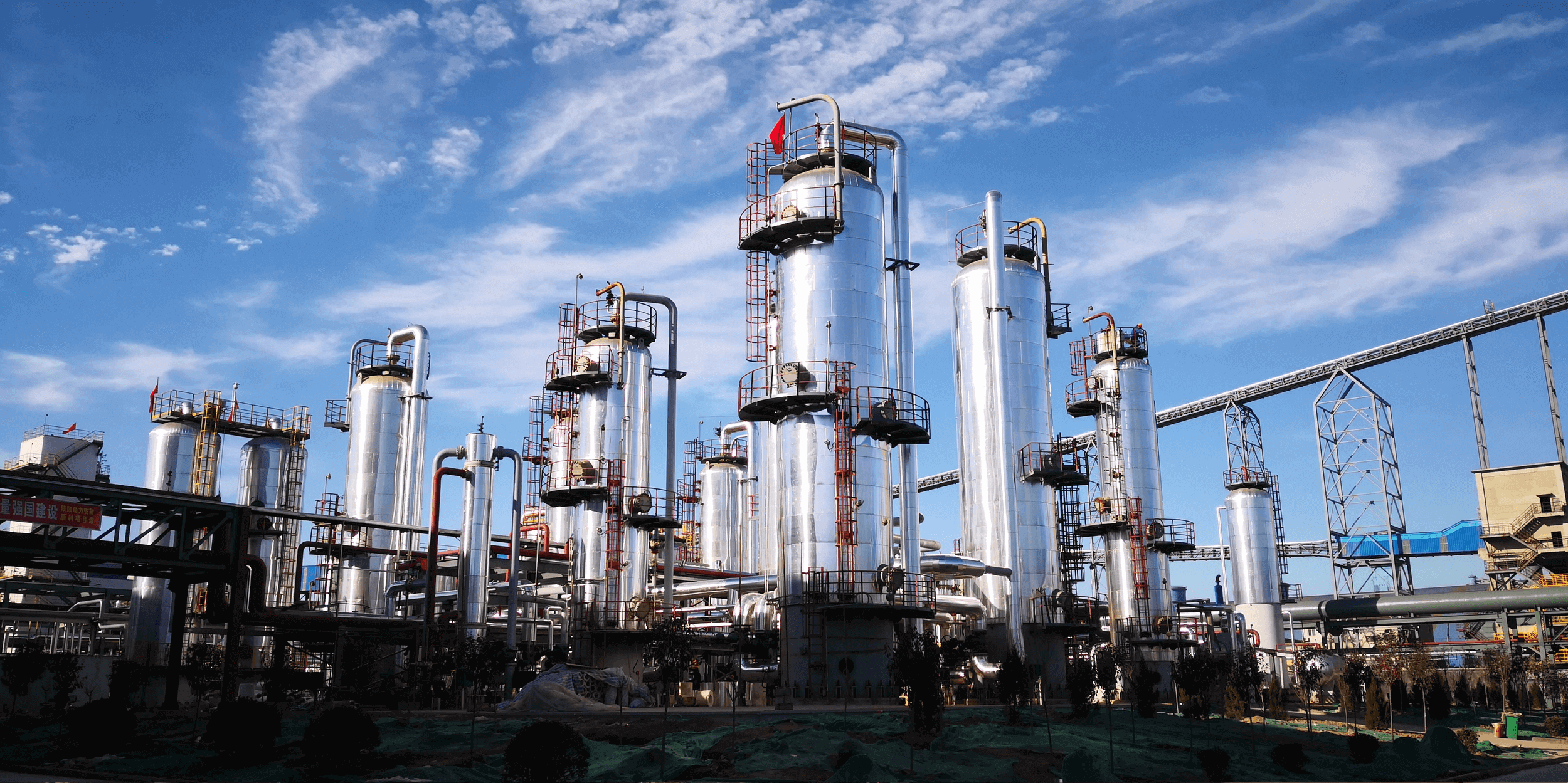
Shunli
Large-scale deployment of CRI’s ETL technology, demonstrating industrial production of low-carbon methanol.
CRI’s Services
Feedstock appraisal and conceptual engineering.
Proprietary ETL technology, equipment and Process design package (PDP).
Detailed design review, Catalyst loading and plant commissioning support. -
![]()
Sailboat
Commercial project deploying CRI’s technology to convert captured CO₂ into renewable methanol.
CRI’s Services
Proprietary ETL technology, equipment and process design package (PDP).Catalyst loading and plant commissioning support.
-
![]()
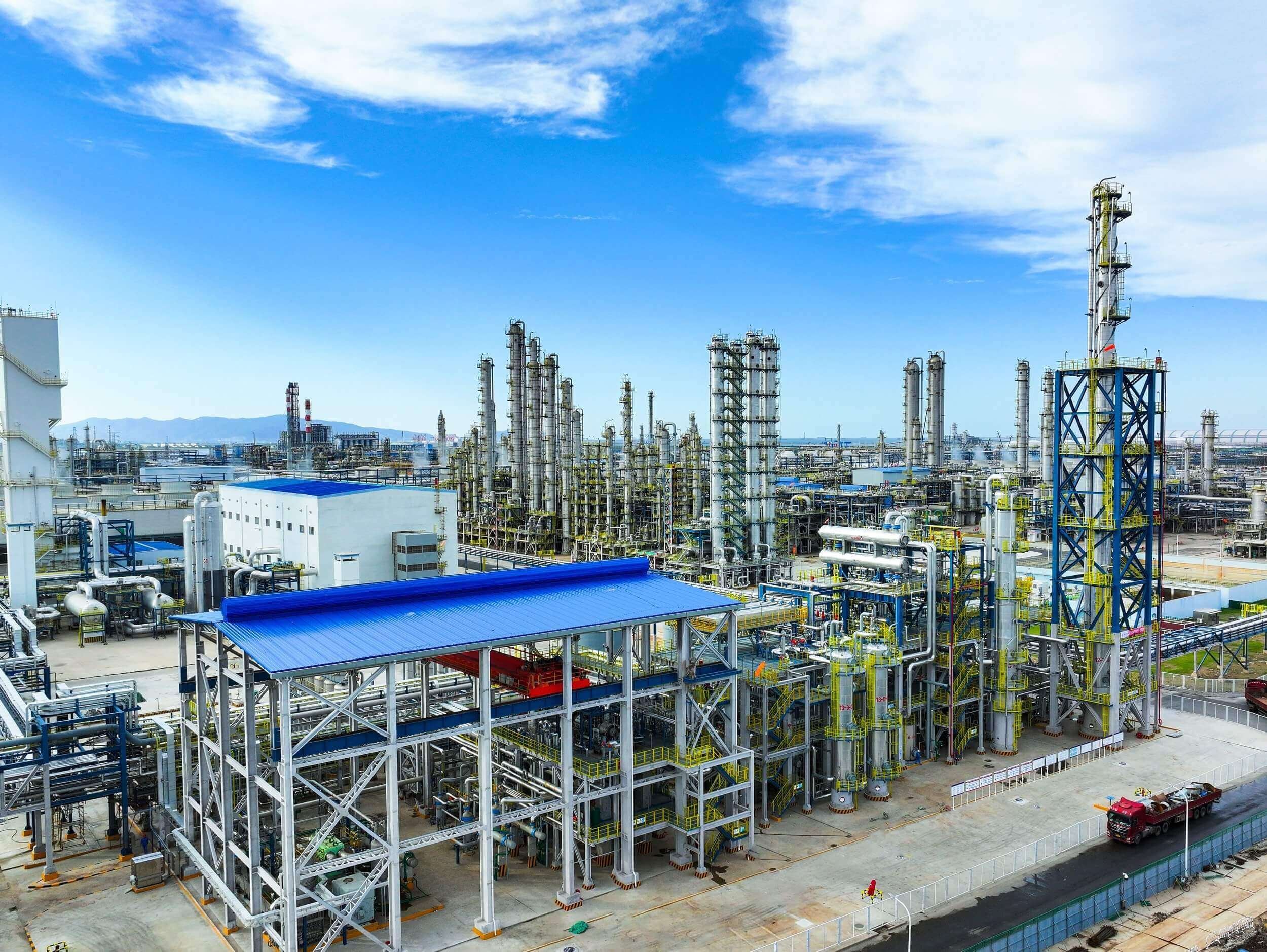
Tianying
Expected to become the world’s largest CO₂-to-methanol plant once operational, producing e-methanol at industrial scale.
CRI’s Services


Why Methanol
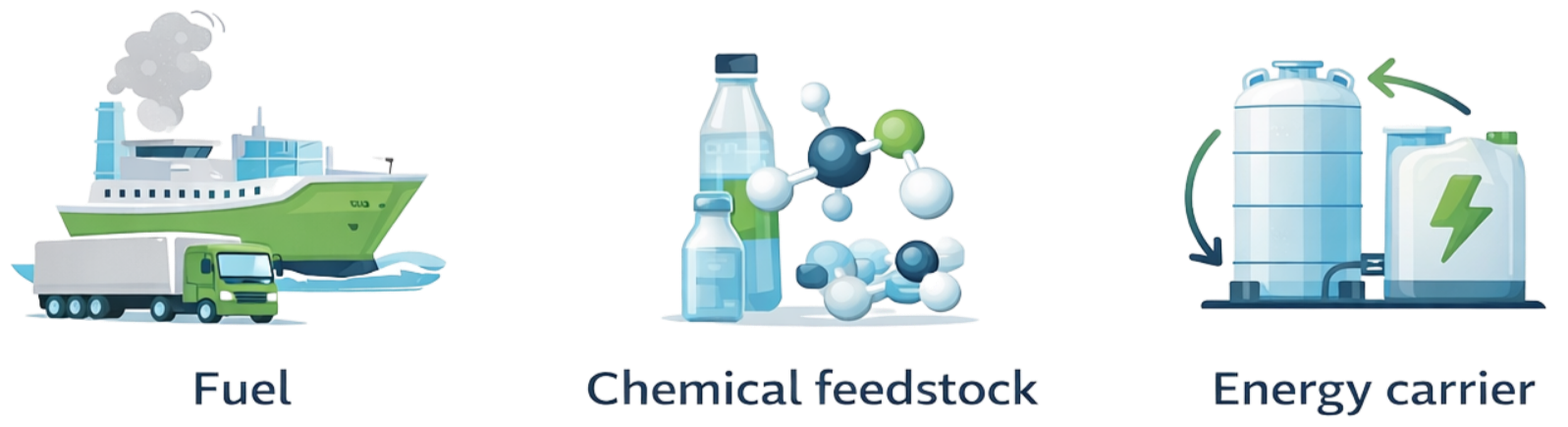
Methanol is a versatile molecule that can serve as a fuel, a chemical feedstock, and a liquid energy carrier.
One of the most widely used chemical products globally, methanol plays an important role in energy and industrial systems. As a liquid, it can be stored and transported more easily than alternative options, making it practical for global supply chains and existing infrastructure
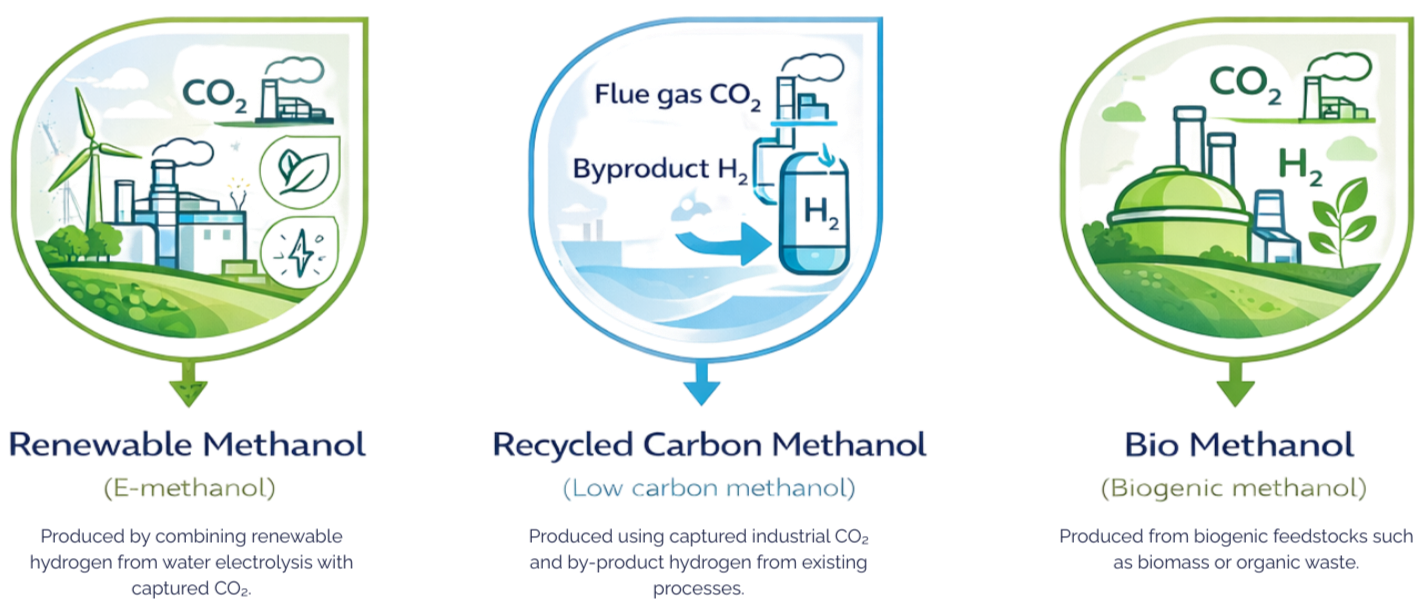
Three Types of Low-Carbon Methanol
All types of methanol are chemically identical, but the feedstocks, energy sources and production pathways differ, influencing the overall carbon footprint.